Travel bamboo

As a break from the crunchy, heat-damaged sponge that is my garden, I want to show you some other plants.


I spent a few days in the Los Angeles area last week and while in Hollywood I got to see some bamboo.

***


That's what I think is Pleioblastus pygmaeus above with the 'Illustris' Elephant ears -- a beautiful combination, but the pygmaeus looks pretty good on its own:


That planting looks like it needs a little water, but otherwise a perfect spot for bamboo!

There's a large hedge of what I think was Japanese Arrow Bamboo, Pseudosasa japonica:


Quite nice, and the low-maintenance greenery really softens up this area which is at the entrance to the Hollywood/Vine Metro station (and the entrance to the W hotel). There would be a lot of concrete here without the plants.
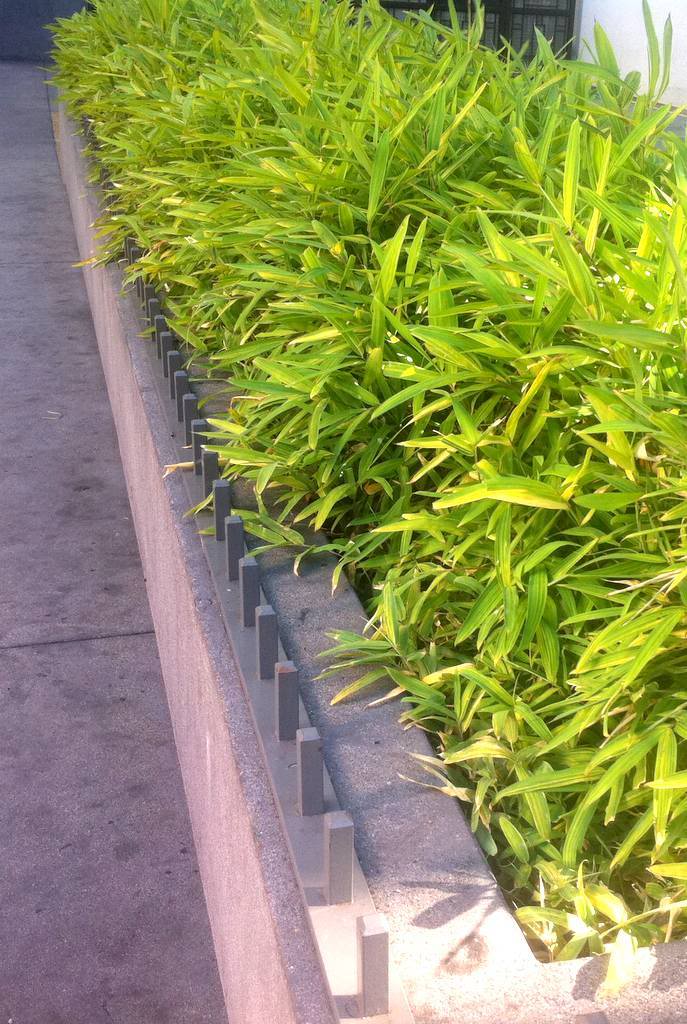

That's Pleioblastus viridistriatus, which gets that beautiful yellow coloring with green stripes. The color isn't so fresh and vibrant after spring, but it's still a wonderful bamboo. Plus this specimen looks so much better than mine which is getting bleached and burned from the heat and lack of water.

Shoot, I wasn't going to talk about my plants, was I?

The great thing about all of these plantings is that they're completely contained -- there's no way for these running bamboos to escape and take over any adjacent plantings as they're surrounded by concrete.


A few blocks away, there's a different type of bamboo planting at the LA Film School:


Either that's a brand-new planting, or they do some severe shoot and culm removal every year to keep that sparse look. A bit of pruning to control height it looks like too. I love the way the bamboo softens and shades the wall without being "too much".

I know from previous trips to Southern California that bamboo is commonly found everywhere, but I still get excited when I see it -- especially when I see three different varieties planted in one spot like at the W.


I think I'll have to add at least one of these as a great example of where you should plant bamboo on my not-too-frequently-updated Tumblr blog: put bamboo here.

.

Read more...
This burns me too

Yesterday I posted about the burn damage that the heat and drought are inflicting on many of my plants. Today there are more photos of crispy leaves, but it wasn't the weather that did this.


No, this damage was man-made, and it gets me a bit angry thinking about it (both with myself and with those that caused it).

***


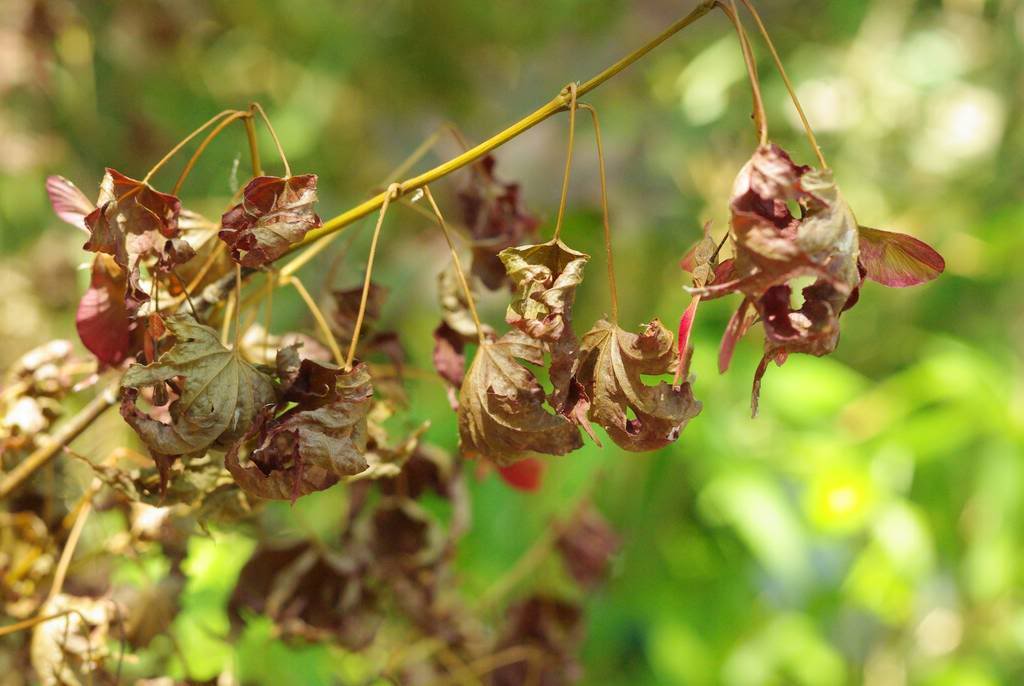
First, the damage:


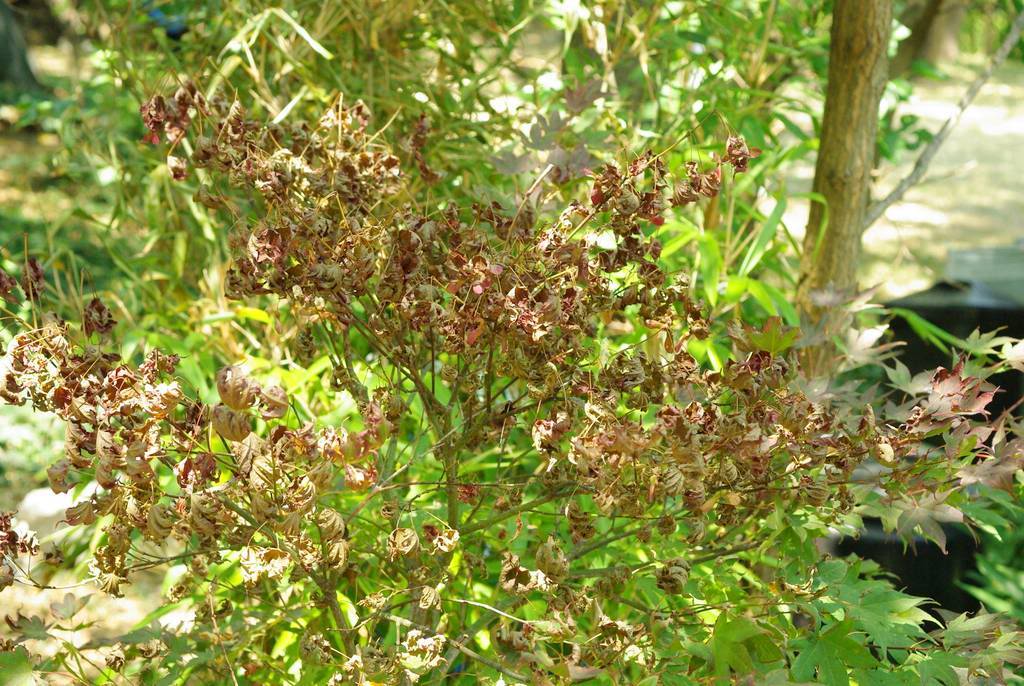
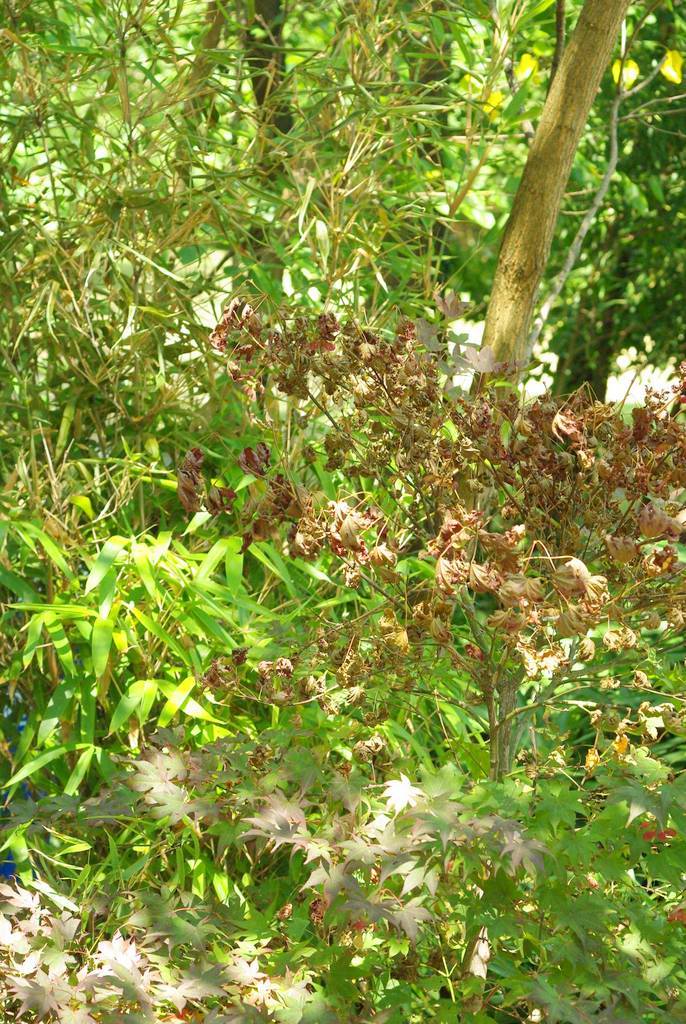
This potted Japanese maple which I detached from the ground two months ago (it had rooted into the cracks between the patio flagstones) and moved here next to the driveway.

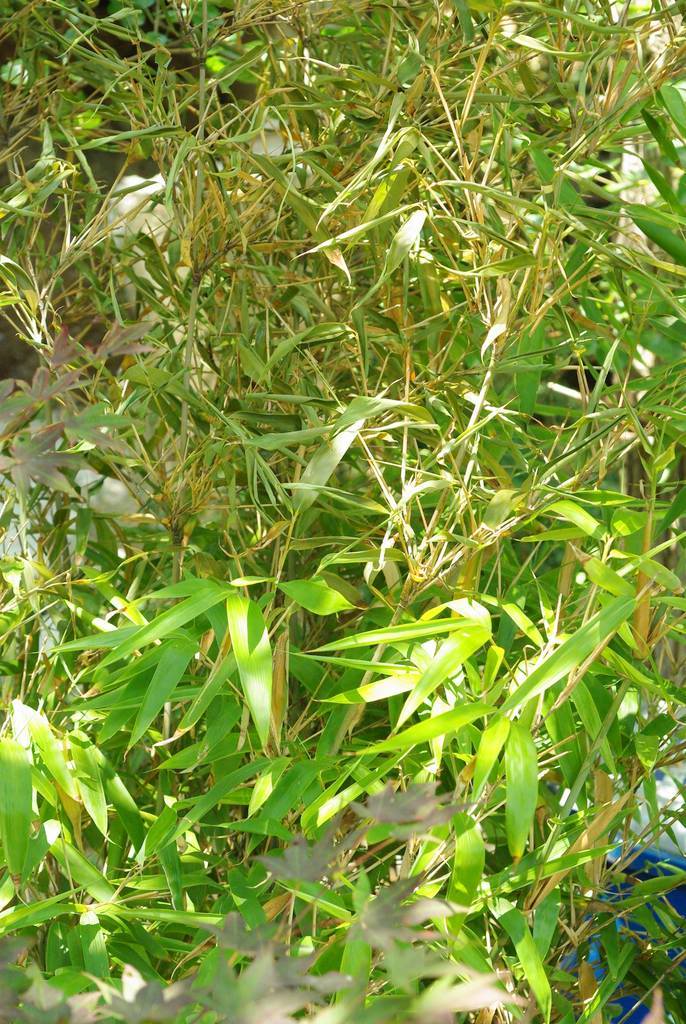
Also, this potted bamboo (Bashania fargesii) which I only moved a week or so ago.


Interesting burn pattern, isn't it?

You can see the line between unburned lower on the plant and burned at the top.


In the case of the bamboo, the very top of the plant is unburned too. What could have caused this? Some strange insect attack?

Nope. My neighbor is having extensive work done to his garage, and this was caused by burning fuel.


Not directly mind you -- there weren't orange clouds belching from a flamethrower or Molotov cocktails flying -- but that fuel was burning inside an engine.

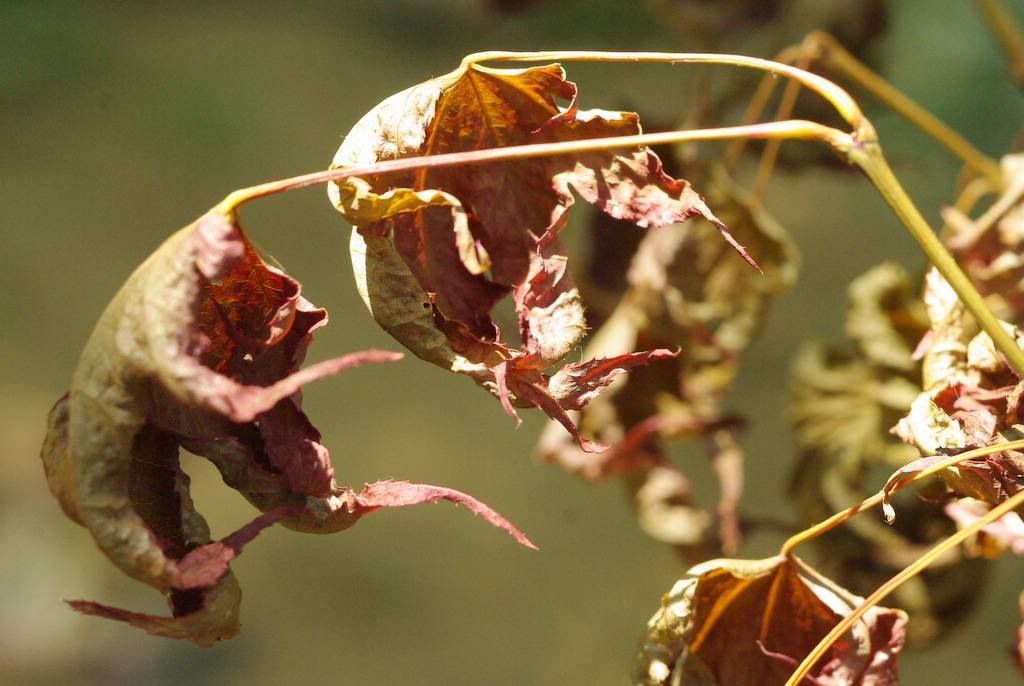
It was the hot exhaust gasses of a small excavator that caused this damage. The exhaust pipe configuration and the slope of the ground combined in just the "right" way to blast these plants with blistering air for a while.

The bamboo I'm not concerned about, as its damage will be visible for a year at most until it sends up new shoots, but the maple...


I sure hope that it's just the leaves that got blasted, and that the top part of the plant is still alive. If so, the secondary leaf buds may still fire off this year and the tree may replace the desiccated leaves. If the top part of the tree has been fried, I'm not sure what I'll do.

Now I'm getting upset about it again. I'll just think positive thoughts and hope for the best.

.

Read more...
Burn

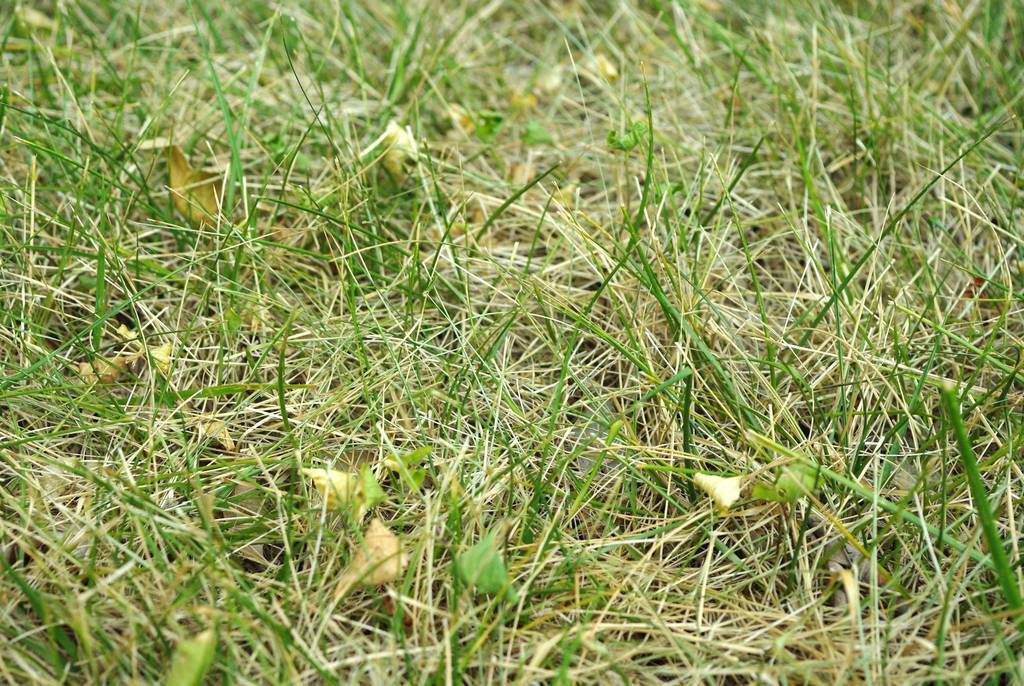
So hot, for too many days, with not a drop of rain to heal the cracks in the so-hard ground.


These plants are not accustomed to 105ºF (40ºC), when the once-friendly sun turns vicious and burns.

***


The hose can bring some relief, but it's not enough. We need cooler air and moisture over everything -- like much of the Midwest.


The thing that scares me most is this is still early in the summer. We don't usually get our hot days until later in July and August.

.

Read more...

Busy bees

Today is a holiday, and I will spend part of the hot, hot day raking algae and watering and doing other unfun stuff in the garden, but I will spend the rest of the day taking a break.


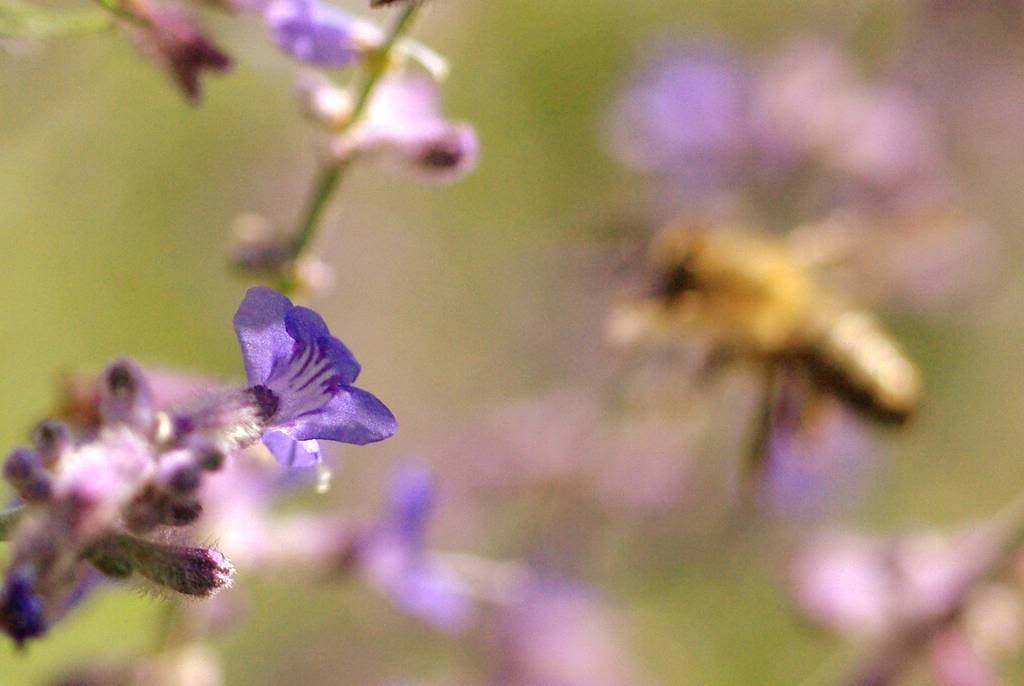
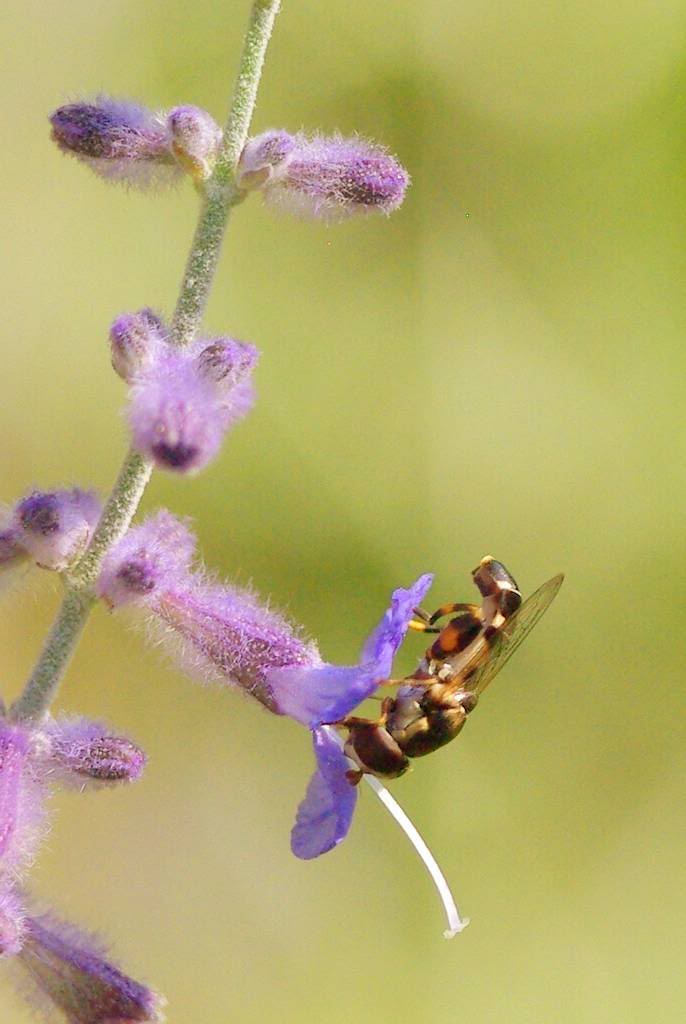
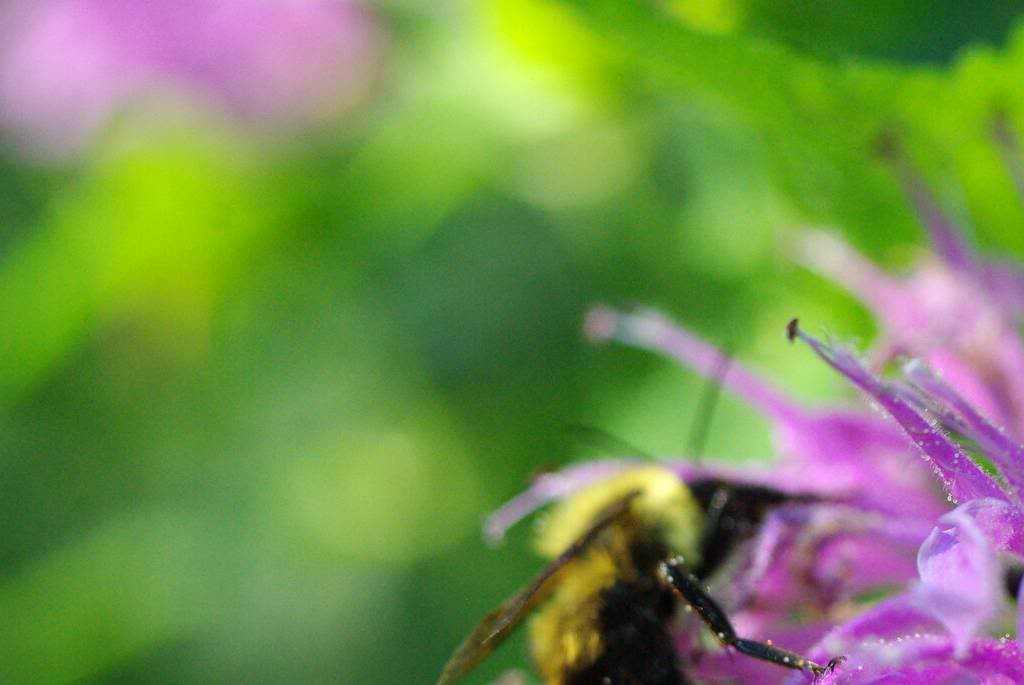
Know who doesn't take breaks? Bees. Especially when it's hot. In fact, when it's really hot outside it's almost impossible to get good photos of these pollinators because they just don't sit still. I tried.

***


Most of these shots were taken at the Russian sage, which attracts the smaller bees all summer long. The bumbles were shot on the Monarda, the one bee balm I have left that I can't bring myself to remove as it holds up to the powdery mildew fairly well, and doesn't seem to require all that much moisture.

Enjoy the photos and the day!


Don't be a bee in the heat -- take some time to relax and relish the garden!

.

Read more...

Spiky

There are a trio of spiky blooms in my garden this year. Usually it's just a pair of them, but this year there's a third.


Here's a quick look at them.

***


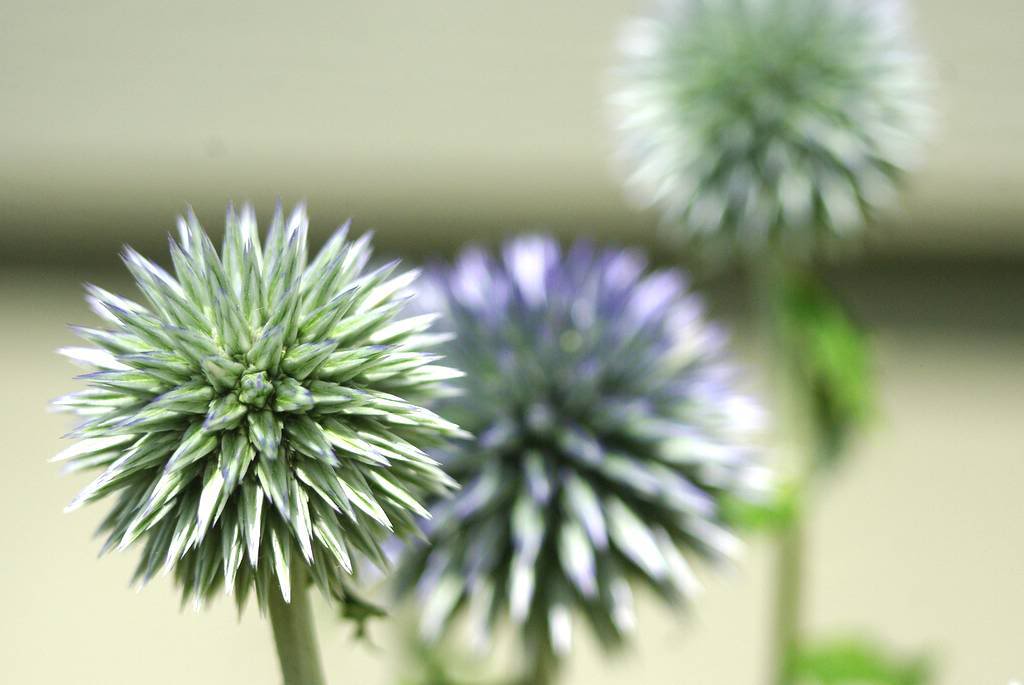
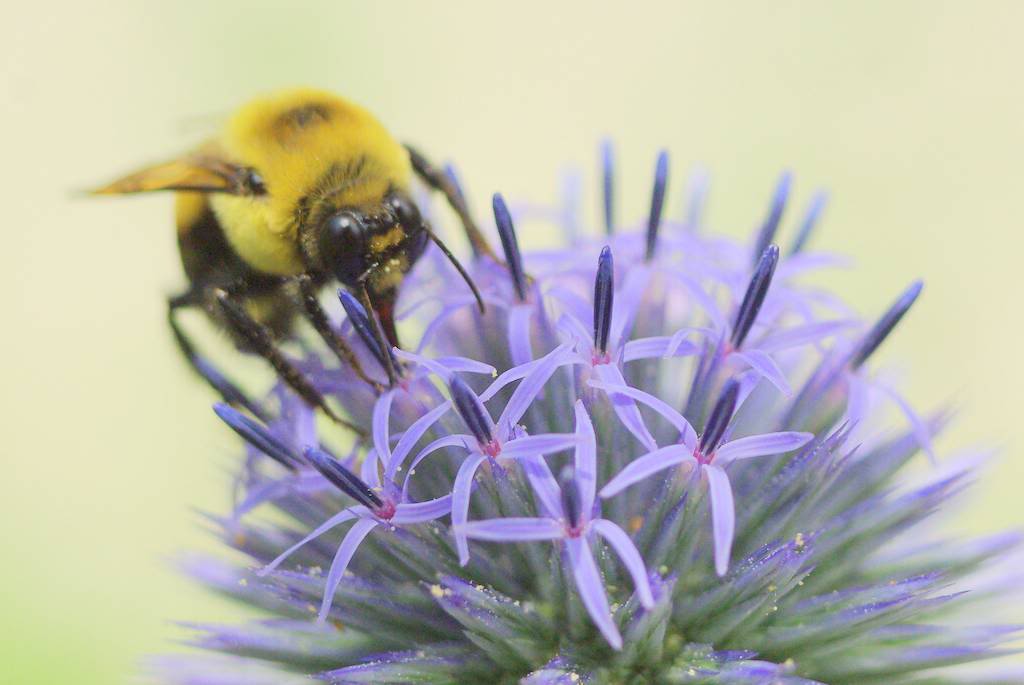
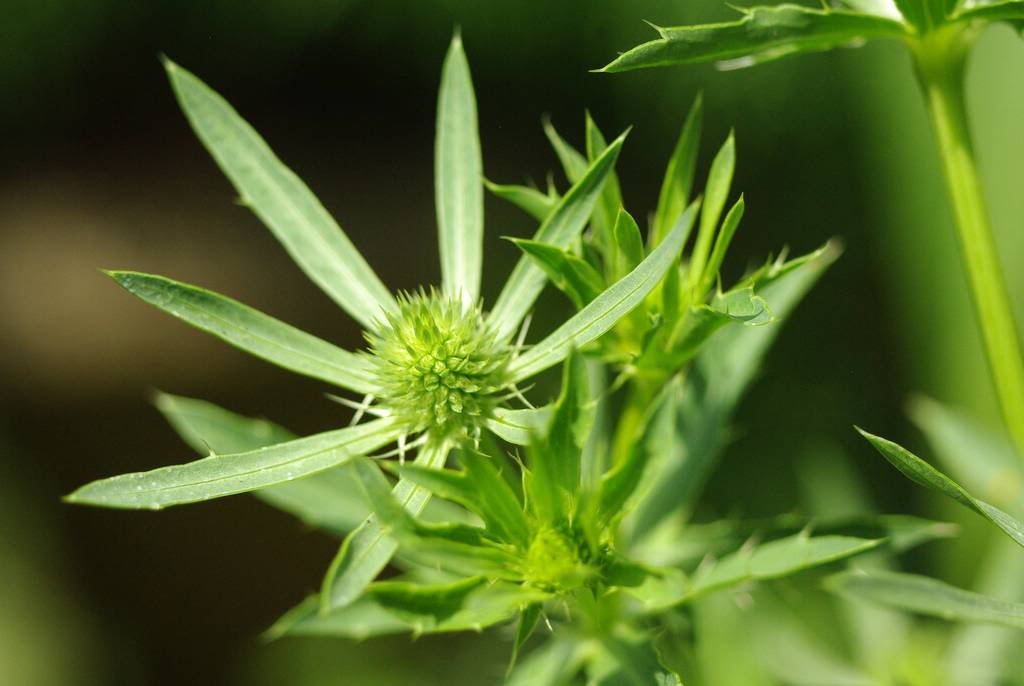
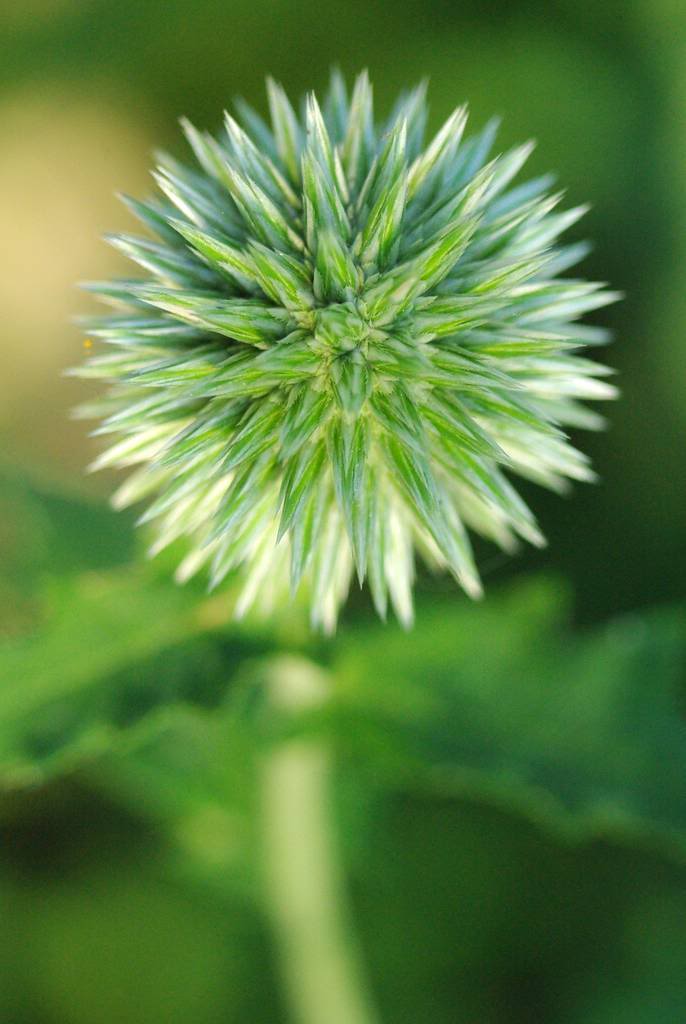
The undisputed champ of spikiness in my garden each year is Echinops, or blue globe thistle.


It reseeds readily and I've let it spread a bit more than I should have, so I've got plenty of these blooms now.


The bees really appreciate it though, as it's the center of apiarian activity for the next few weeks.


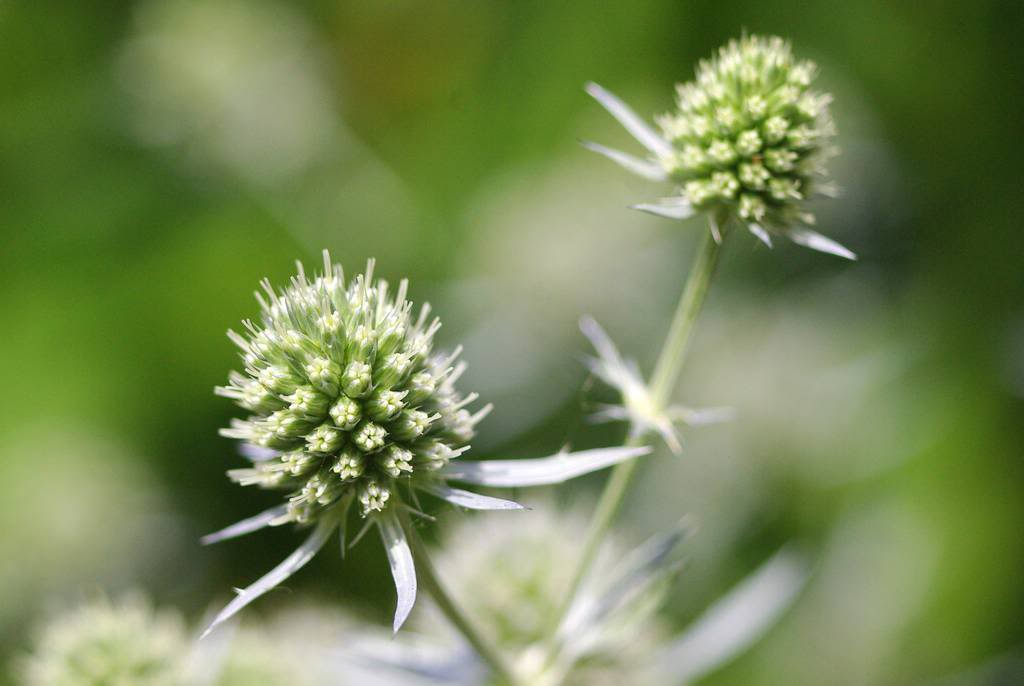
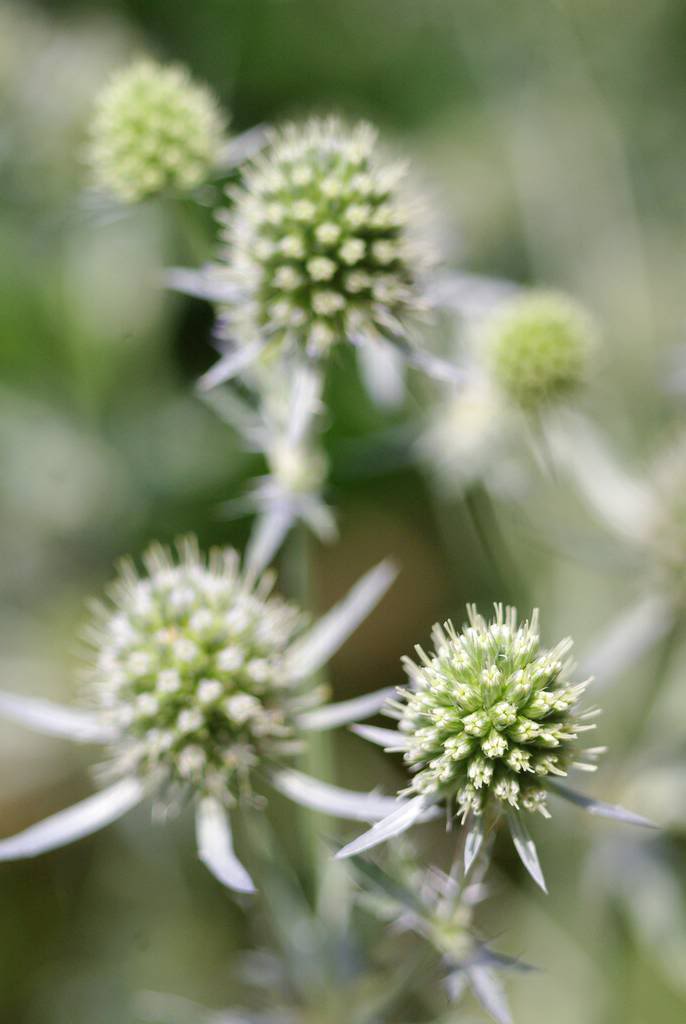
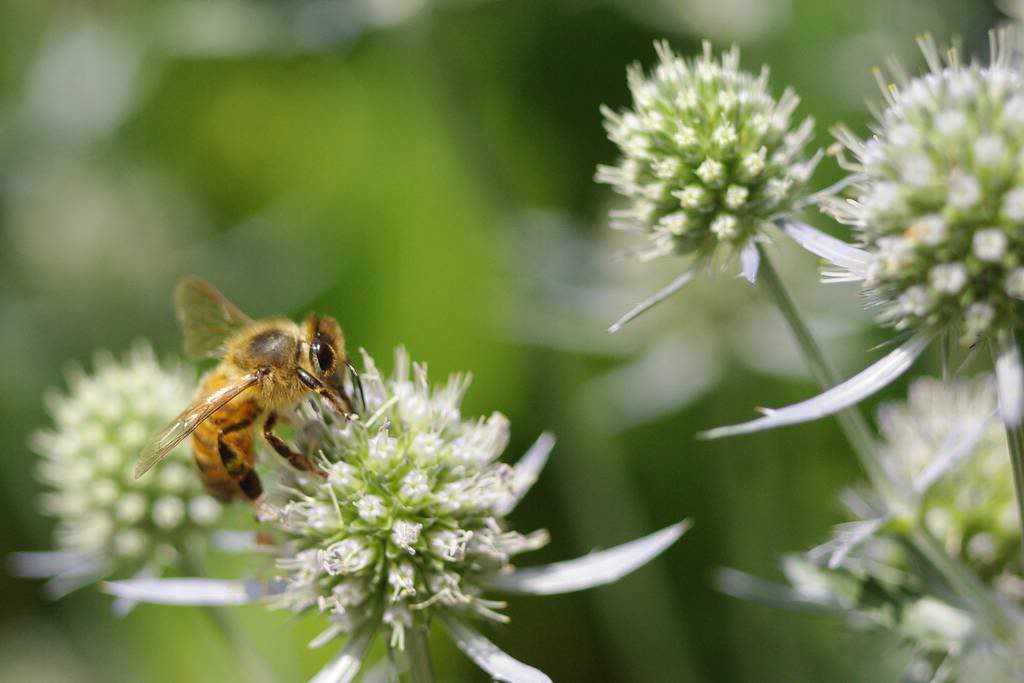
Eryngium planum is another of the spiky ones:


This one has reseeded too, which is lucky for them (and for me) as I pulled out the original plants a couple of years ago.


The bees may enjoy these blooms, but bees apparently don't care if flowers smell like cat poop. These are only still in my garden because they're not in a spot where you can easily step up and take a whiff.


Worst. Scent. Ever.


Still, so beautiful that I can't pull them all out.

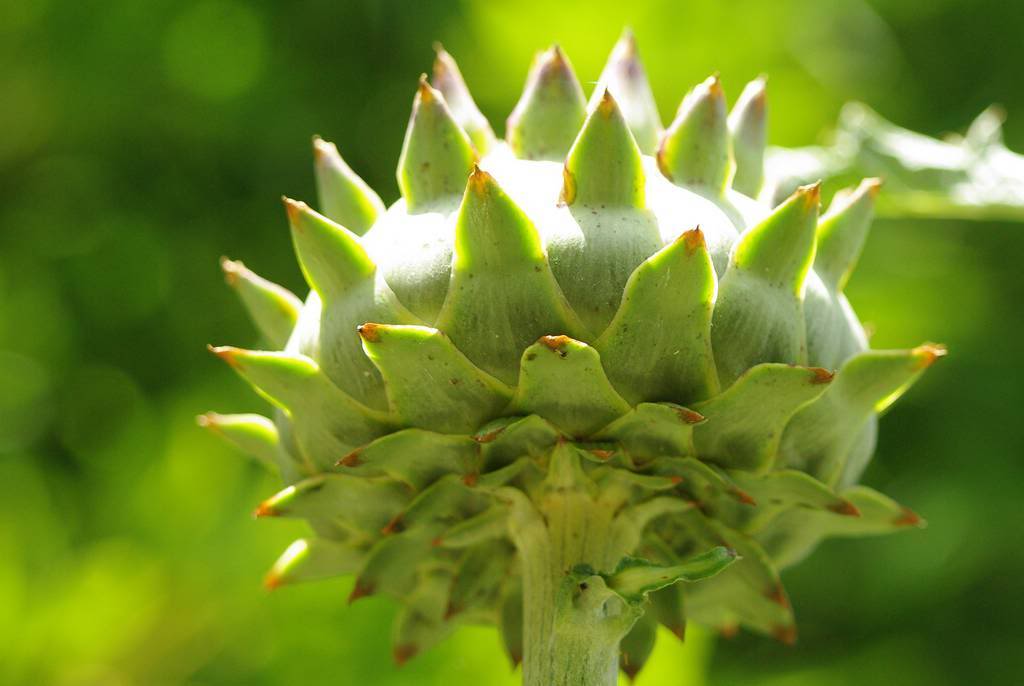
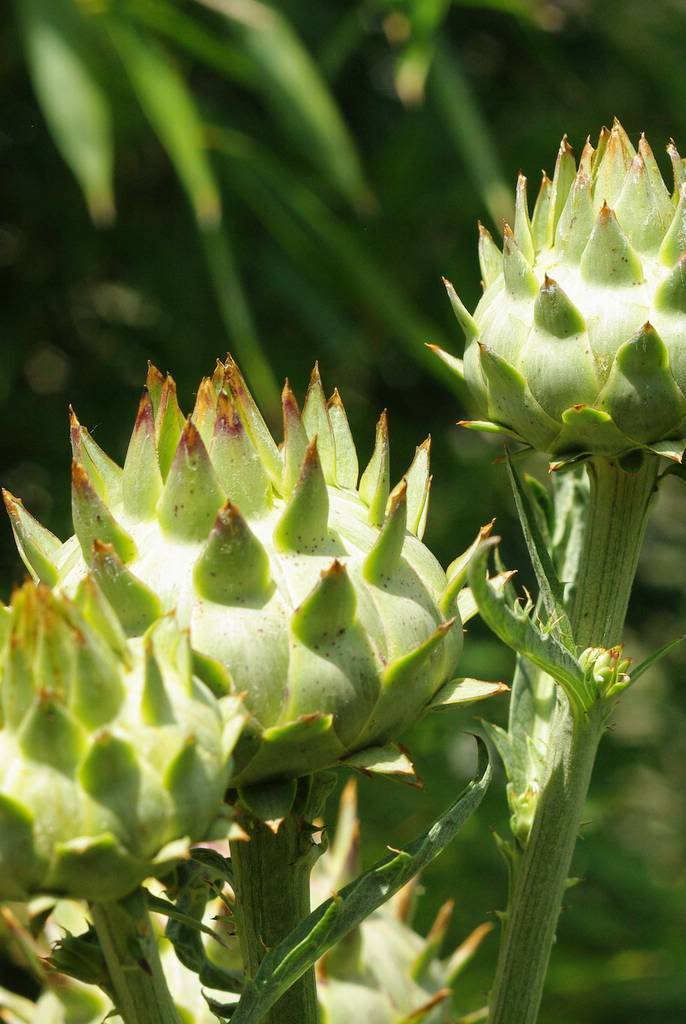
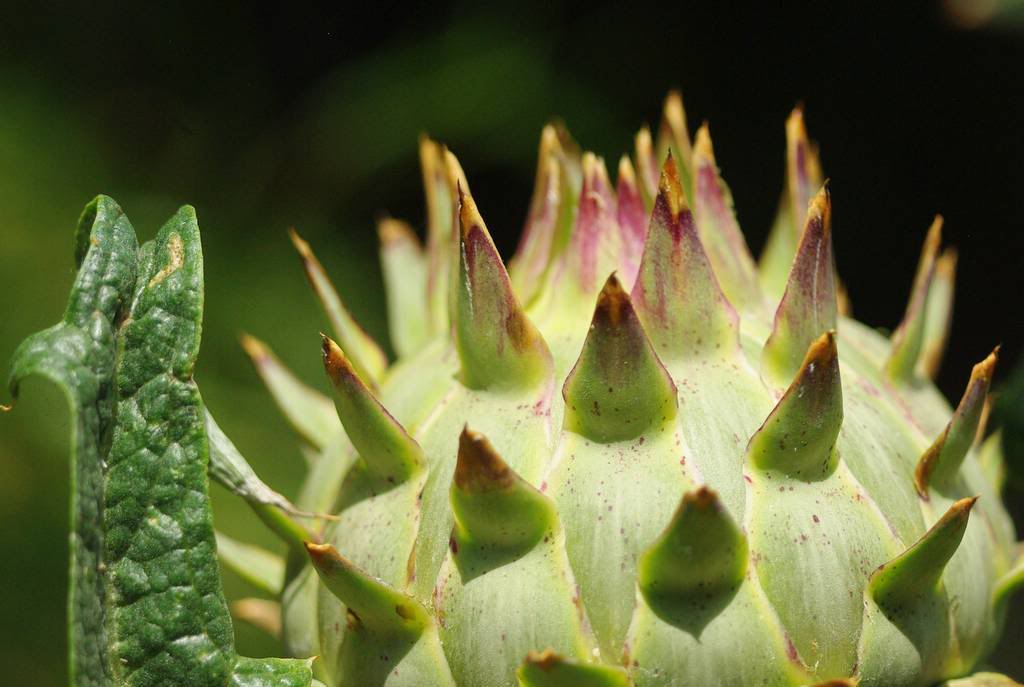
And finally the appearing-once-in-a-while spiky blooms of cardoon:


This one does not reliably overwinter in St. Louis, but our mild winter ensured that I would have these huge thistle-like blooms this year.


When I took these photos the blooms were not open yet, but now they are. So expect another cardoon post sometime soon.

I just remembered that I have one more spiky bloomed plant that I didn't photograph: Rattlesnake master, or Eryngium yuccifolium. My large plant did not come back this spring, but I picked up a couple of small seedlings that I tucked into the prairie beds and forgot about.


So spiky flowers are a big part of my garden every summer.

How about yours?


(If you've been wondering why my posts have been relatively short recently, I've been writing these posts in the morning, and have been rushing in order to get outside and water my potted plants before the temperature goes from "it's too hot" to "I will cook your plants").

.

Read more...
Yuck.

Know what you get when you travel for several days while the temperature climbs above 100F (38C) every single day you're gone?


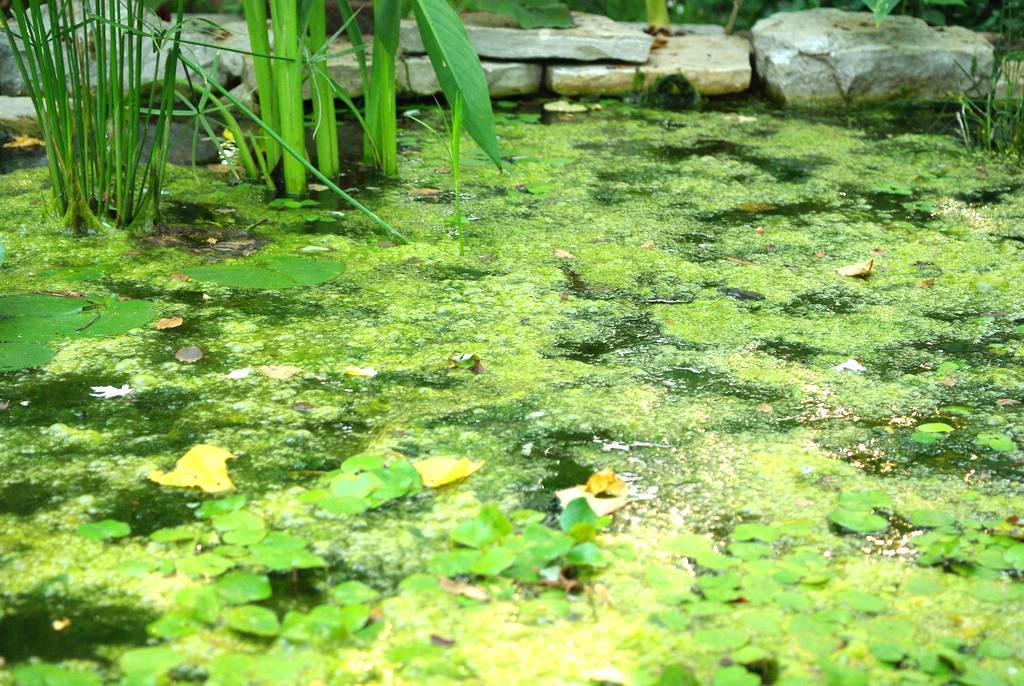
You get a mess in the pond. At least I do.

***


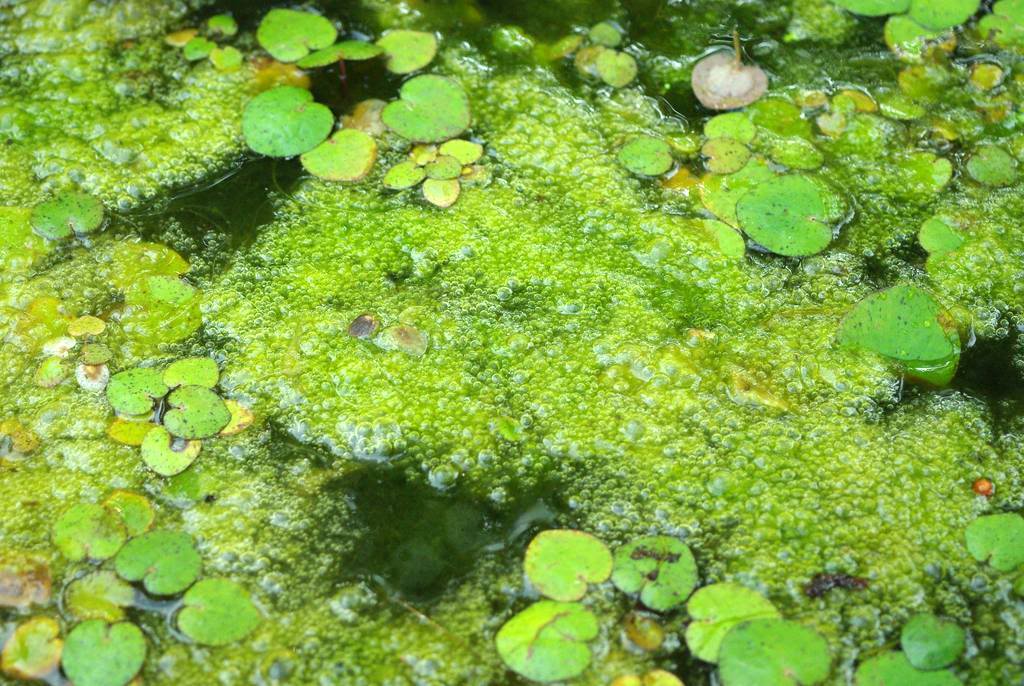
The string algae is horrible, as it hungrily sucks up the nutrients in the pond water and grows faster than even my most agressive bamboo. At some point those nutrients will be exhausted and the algae won't be so bad. That's the theory at least.

Until that time, I'm dealing with algae.


I'll rake it off the surface of the water later today, and pull out as much as I can. Not only will this make things look so much nicer, but it also removes those captured nutrients from the system -- if the algae dies in the water those nutrients are returned, allowing more algae to bloom. So it has to come out!


I'll never be able to get it all out though, as it clings to the frogbit roots and the hornwort, not to mention the rocks and pots and everything that doesn't move.


Maybe I'll be able to knock it back to a low enough level that the tadpoles can keep most of it in check (tadpoles eat algae).

I have a feeling that's wishful thinking though.

.

Read more...

Just can't stop them

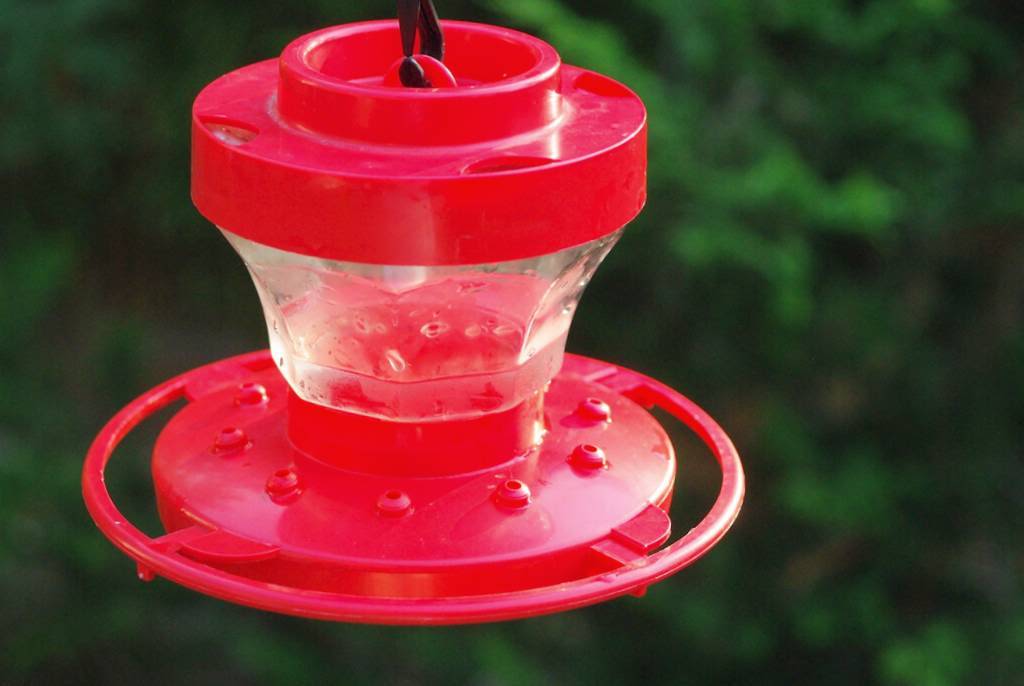
Last year when writing about how these large ants always take over one of my hummingbird feeders, I got some good suggestions about how to stop them.


The "well" on top of the feeder itself is supposed to be filled with water to form a barrier that the ants can't cross. This works for about 10 minutes until the water evaporates. Okay, maybe an hour or two. Still not long-lasting enough to be practical.

Read more...

  © Blogger template Shush by Ourblogtemplates.com 2009

Back to TOP